
Red Light Traffic Cameras in Honolulu: How Red Light Traffic Cameras Improve Road Safety
- Safety Check Finder Staff

- Feb 28
- 2 min read
Red light traffic cameras in Honolulu are becoming more common at busy intersections across town. Designed to deter red light runners and reduce serious crashes, these automated enforcement systems are part of a broader effort to improve road safety and accountability.
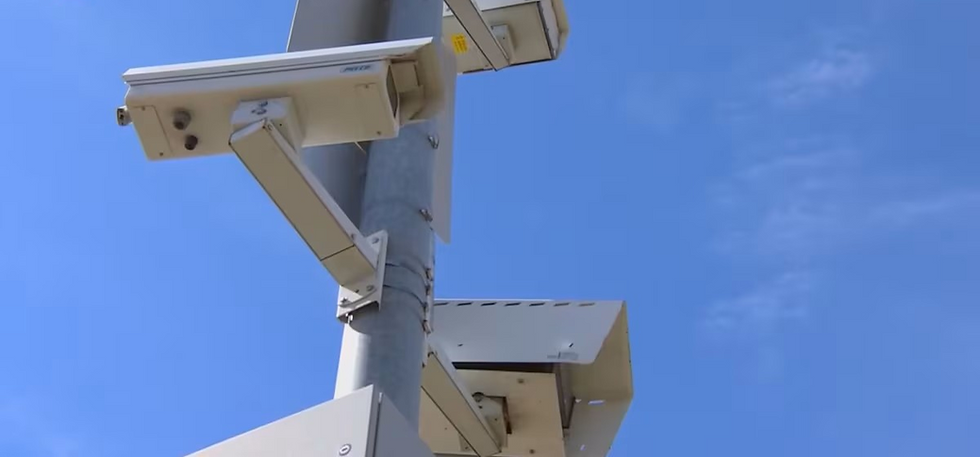
But how do red light traffic cameras in Honolulu actually work? And are they really effective?
How Red Light Traffic Cameras in Honolulu Work
Red light traffic cameras in Honolulu are installed at high-risk intersections. When a vehicle enters an intersection after the light turns red, sensors and cameras are triggered. The system captures images (and sometimes short video clips) of the vehicle, license plate, and signal phase.
Violations are reviewed before citations are issued. In many programs across the country, law enforcement or authorized traffic officials verify the footage to ensure accuracy before mailing a citation to the registered owner.
States like California, Arizona, Texas (in select cities), and New York have implemented similar red light camera programs with varying rules and outcomes.
Pros of Red Light Traffic Cameras in Honolulu
1. Fewer Serious Accidents: Red light running often causes T-bone collisions, which are among the most dangerous types of crashes. Studies in multiple states have shown reductions in severe injury collisions at intersections with cameras.
2. Increased Accountability: Automated enforcement ensures violations are documented objectively. Drivers are more likely to slow down at monitored intersections.
3. Revenue for Public Safety: While safety is the primary goal, citation revenue can help offset program costs and fund traffic safety initiatives, road improvements, or pedestrian infrastructure.

Cons of Red Light Traffic Cameras in Honolulu
1. Privacy Concerns: Some residents feel uncomfortable with increased surveillance at intersections.
2. Debate Over Revenue Motives: Critics argue that red light traffic cameras prioritize revenue generation over safety, especially if yellow light timing is questioned.
3. Rear-End Collisions: In some areas, sudden braking to avoid tickets has led to a small increase in rear-end crashes, although severe angle collisions typically decrease.
Do Red Light Traffic Cameras in Honolulu Actually Make Roads Safer?
The primary goal of red light traffic cameras in Honolulu is to reduce dangerous intersection crashes. When drivers know enforcement is active, behavior changes. Slower approaches, fewer late yellow entries, and improved compliance all contribute to safer roads for drivers, pedestrians, cyclists, and families.
Like any policy, success depends on transparency, proper monitoring, and fair implementation. But overall, red light camera programs nationwide have shown measurable safety benefits when managed responsibly.
Safer intersections mean fewer emergency responses, lower insurance costs, and less heartbreak for families.
Don’t forget to find certified safety check inspection stations, click here.
And download your free safety check prep checklist here.


Comments